

Taha Technical Training & Trade Test Center services generally focus on evaluating and certifying individuals' skills and competencies in various trades and industries. These services may include:
Skills Assessment
Conducting practical and theoretical tests to assess a person’s abilities in a particular trade (e.g., welding, electrical work, plumbing, carpentry, steel fixer, painter, ac technician).
Certification Programs
Offering certifications or licenses for individuals who successfully complete trade tests, validating their expertise and readiness to work in the field.
Training and Workshops
Taha Technical Training & Trade Test Center provide training to help individuals improve their skills before taking certification exams. These might include hands-on training, theoretical courses, or both.
Workshops and Practical Areas
These are hands-on spaces where individuals can demonstrate their skills. For example, a welding workshop would have welding machines and safety equipment, while a carpentry area would have tools and materials for building projects.
For fields like plumbing or electrical work, the center might have mock setups that simulate real-world environments, allowing for testing of installation, maintenance, and troubleshooting skills.
Welding Stations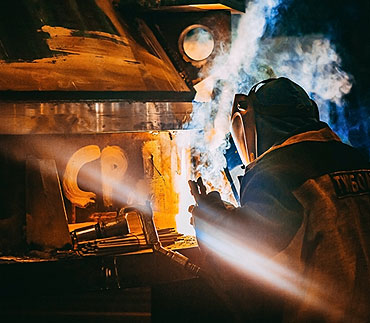
These are individual workstations equipped with welding machines, tools, and materials for candidates to demonstrate their skills. They are set up for different types of welding, such as MIG (Metal Inert Gas), TIG (Tungsten Inert Gas), Stick welding, and flux-cored welding.
Welding Equipment
Welding machines: Machines tailored to different welding techniques (MIG, TIG, Stick, and more).
Welding rods: Different types of rods for various welding processes.
Welding torches: Essential for different welding processes.
Grinders and cutting tools: Used for preparing and finishing metal pieces before and after welding.
Safety gear: Items such as gloves, helmets, eye protection (welding goggles or face shields), aprons, and flame-resistant clothing to ensure safety.
Material Preparation Areas
These areas are equipped with tools like metal cutters, grinders, and saws for preparing metal pieces before welding. Proper preparation of materials is crucial for successful welding.
Test for Different Welds
Dedicated test areas where candidates can perform various welds (e.g., butt welds, fillet welds, pipe welds). These spaces will typically simulate real-world conditions, such as welding positions (flat, vertical, overhead) and types of joints.
Simulated Work Environment
Many welding test centers simulate industrial settings, such as a workshop or construction site, allowing candidates to demonstrate their skills in conditions that mimic real-world work environments. This helps assess the candidate's ability to work under pressure and follow safety protocols.
Inspection and Testing Areas
After candidates complete their welding tasks, their work is often inspected for quality. These centers may use non-destructive testing methods such as visual inspection, ultrasonic testing, or X-ray imaging to evaluate the weld's strength, appearance, and integrity.
Classrooms and Theoretical Learning Spaces
TTTC often include classrooms equipped with multimedia tools for teaching theoretical concepts, safety protocols, and industry regulations. These spaces may also host preparatory courses or seminars for individuals before their tests.
Assessment Rooms
Dedicated rooms or areas for written tests, theoretical exams, or computer-based assessments that evaluate the candidate's knowledge of trade concepts, regulations, and safety standards.
Tools and Equipment
A wide range of industry-specific tools and equipment, including power tools, hand tools, machinery, and safety gear, for candidates to use during practical exams. These tools are maintained to ensure that they reflect current industry standards.
Safety Features
Given the nature of trade work, these centers are usually equipped with safety features like fire extinguishers, first-aid kits, ventilation systems (for environments like welding or painting), and proper lighting. These ensure that both trainers and candidates work in a safe environment.
Storage Facilities
Adequate storage space for equipment, tools, and materials that candidates need during tests. This includes secure lockers for personal items.
Administrative and Support Areas
Areas for registration, scheduling exams, and answering questions. There may also be lounges or waiting areas for candidates.
On-site Instructors or Assessors
Qualified instructors or assessors are often on hand to guide candidates, clarify procedures, and supervise exams. These experts ensure that tests are conducted fairly and safely.
Delegation Facilities
| ITEMS | PARKING | CONFERENCE HALLS | GENERATOR | SECURITY | PHOTO LAB/PHOTO COPIES | SEPERATE OFFICE | MASJID |
| YES | ✔ | ✔ | ✔ | ✔ | ✔ | ✔ | ✔ |
| NO | - | - | - | - | - | - | - |